
How to touch the Elephant
Ecological Trauma in post-Agent Orange Landscapes in Vietnam
How to Touch the Elephant (2025–ongoing) attends to the ecological trauma of post-Agent Orange landscapes in Vietnam. This research-based, interdisciplinary project argues that the slow and multi-generational character of ecological violence needs to be attended to through shifting modes of witnessing, moving between studio-based and site-based practices.
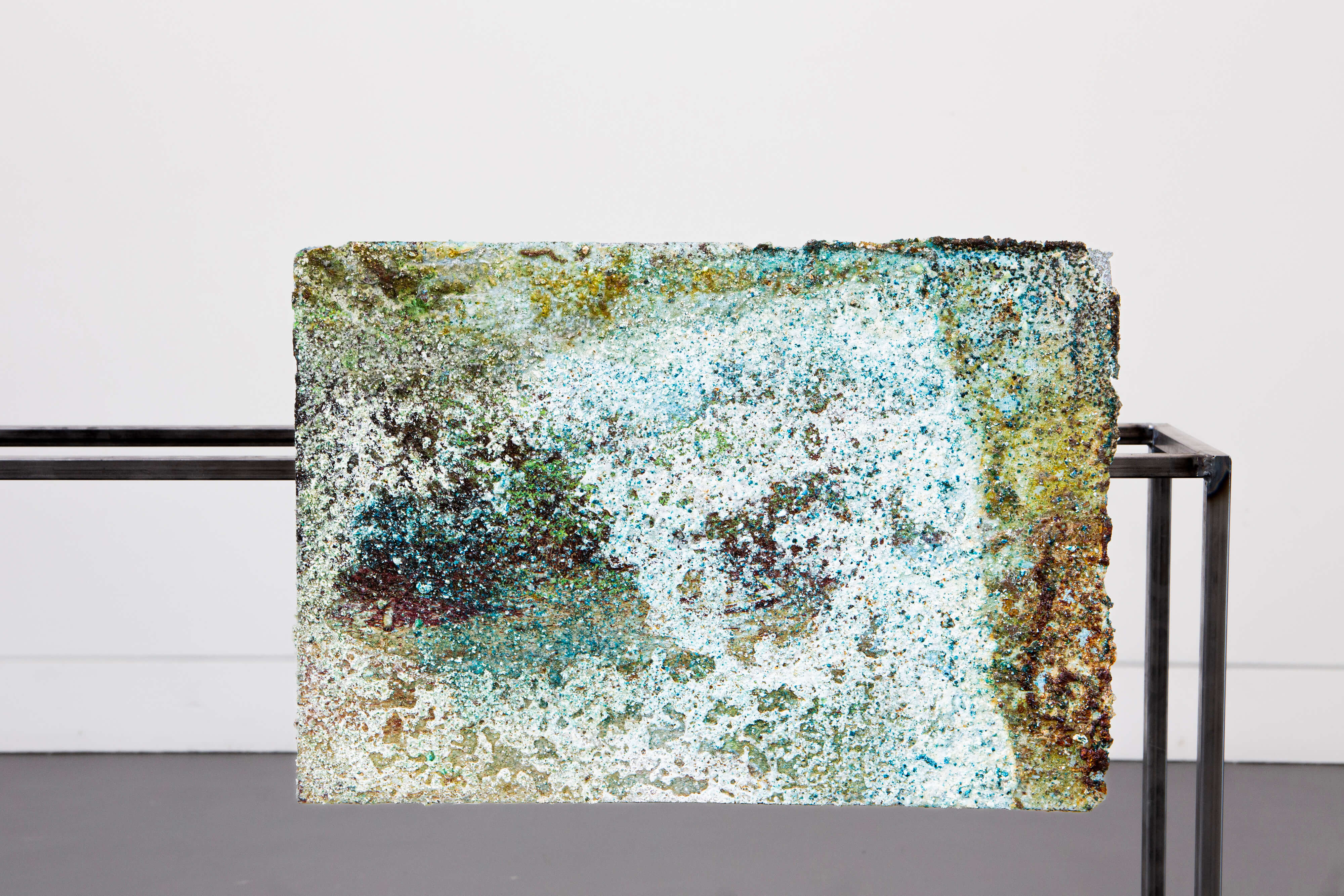
Agent Orange was among the herbicides deployed by the U.S. military during Operation Ranch Hand from 1961 to 1971. It saturated the land with dioxin, one of the most toxic substances known. Decades later, the landscapes and the bodies still carry it. This research turns to practice-based artistic inquiry as an alternative form of witnessing. It asks what it means to touch the post-Agent Orange landscapes, and to be touched back.
My Vietnamese heritage is inseparable from the war’s aftermath. The bomb fragments inside my father’s body have never been removed. They are evidence of the war and traces of trauma, but also testimony to the capacity of matter and bodies to resist and refuse violence. Attending to the trauma of the landscapes is, in part, attending to that inheritance.

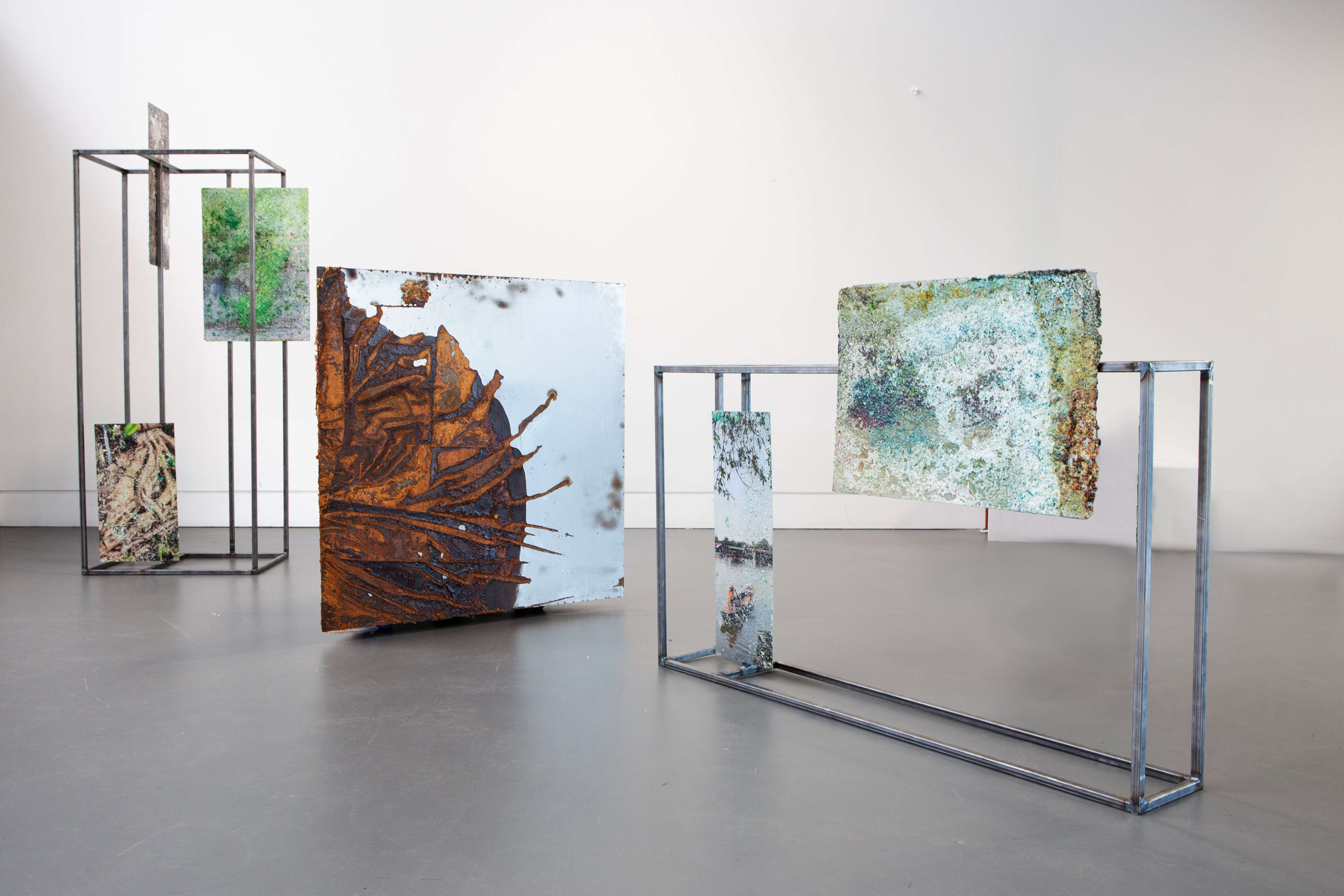
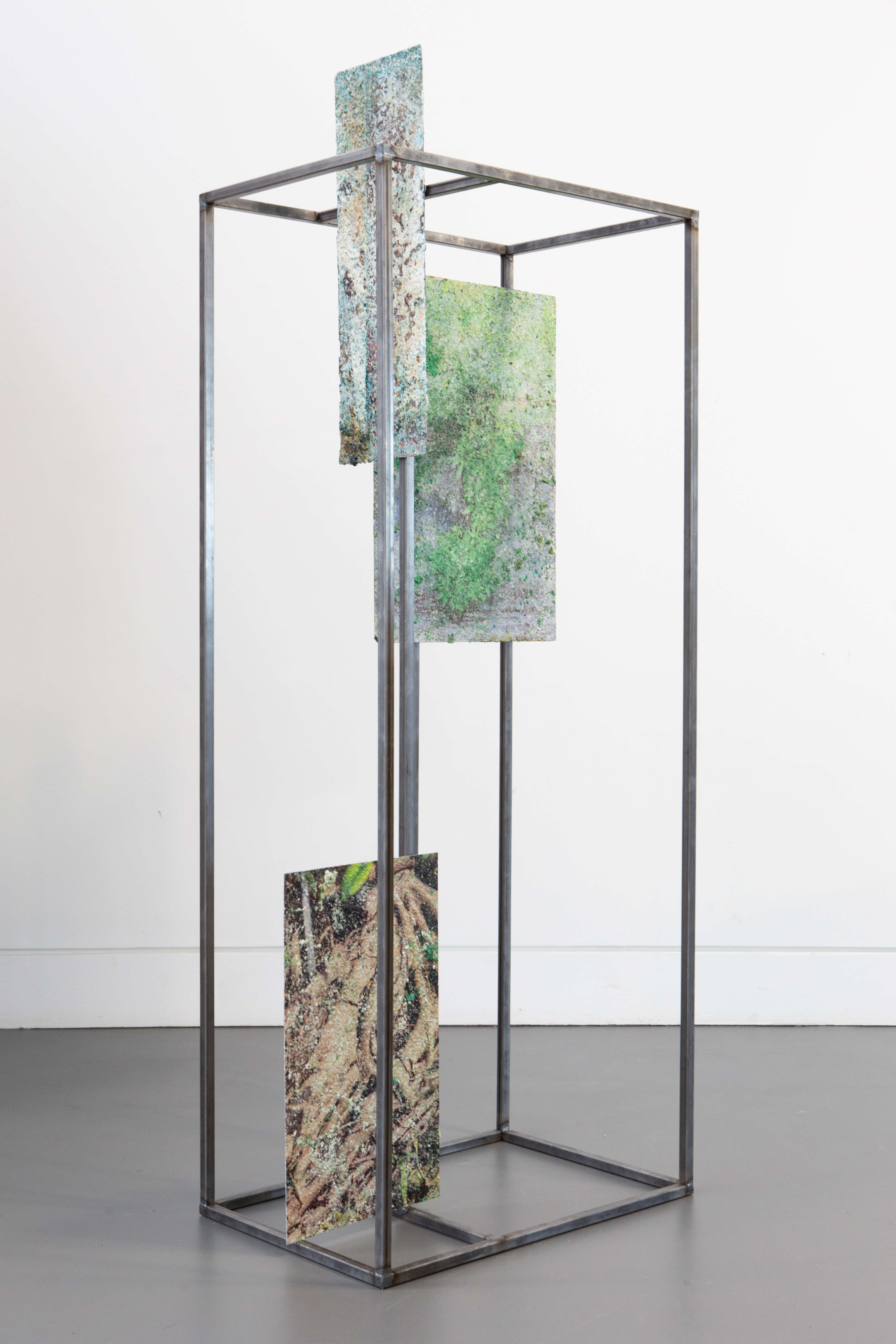
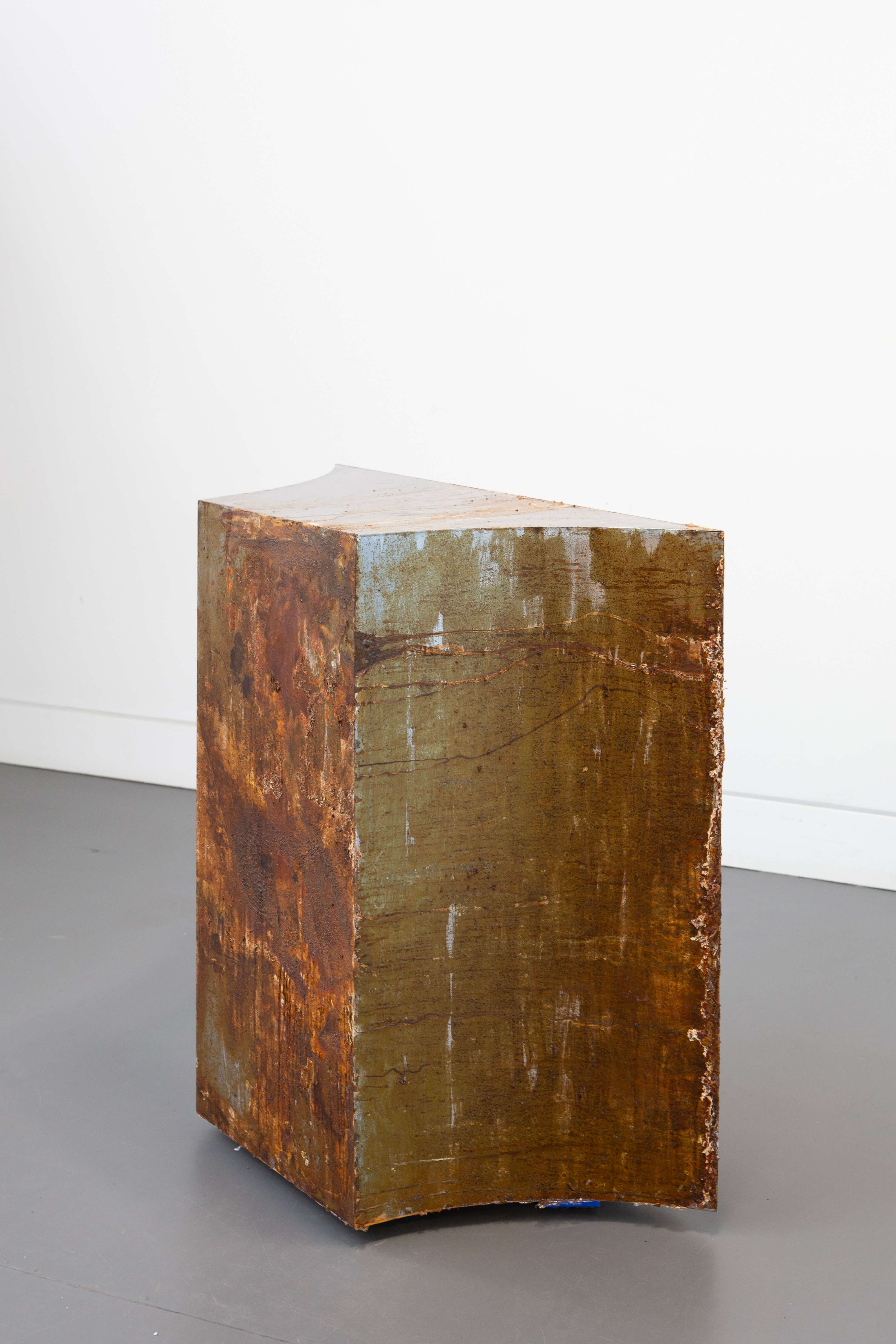
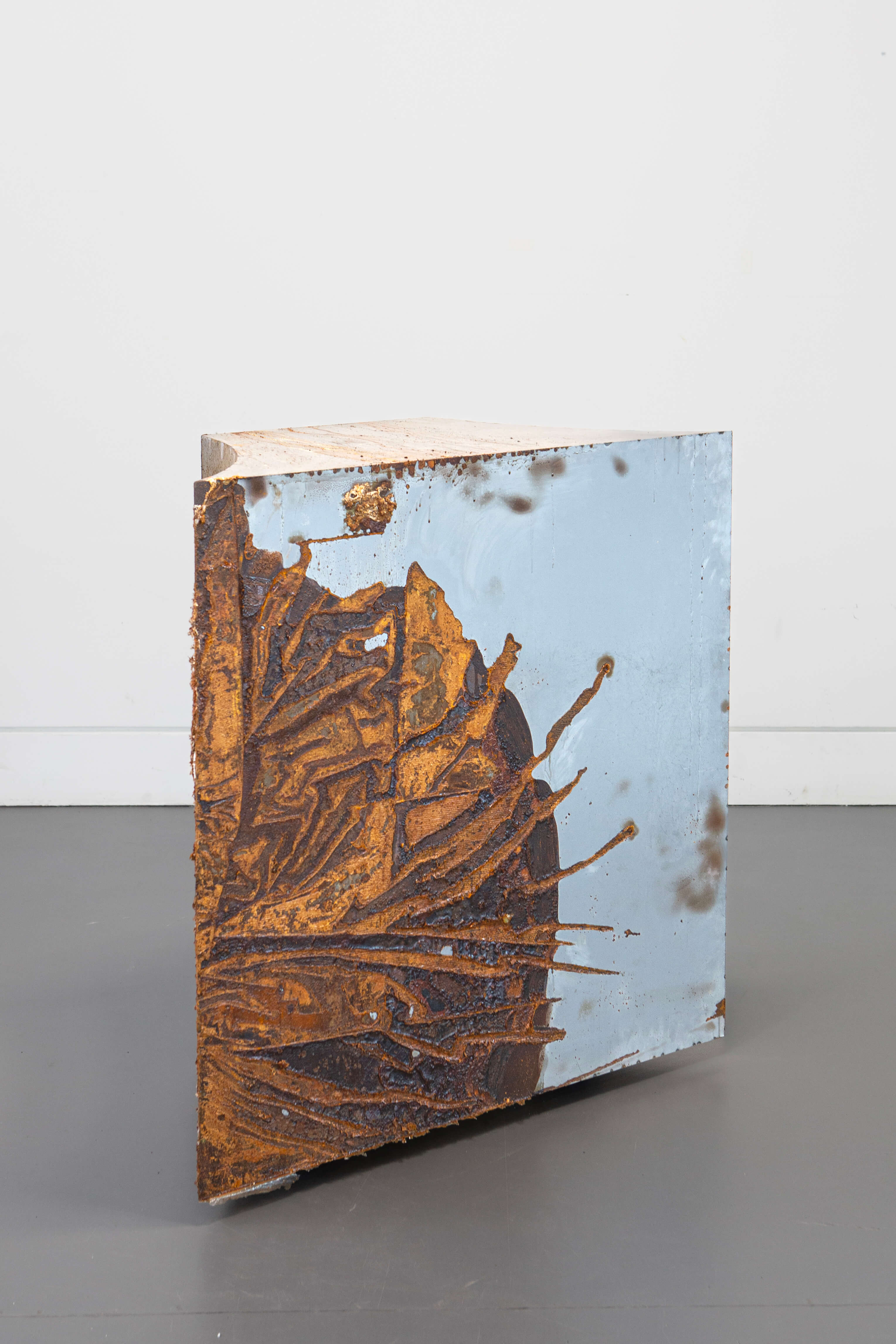
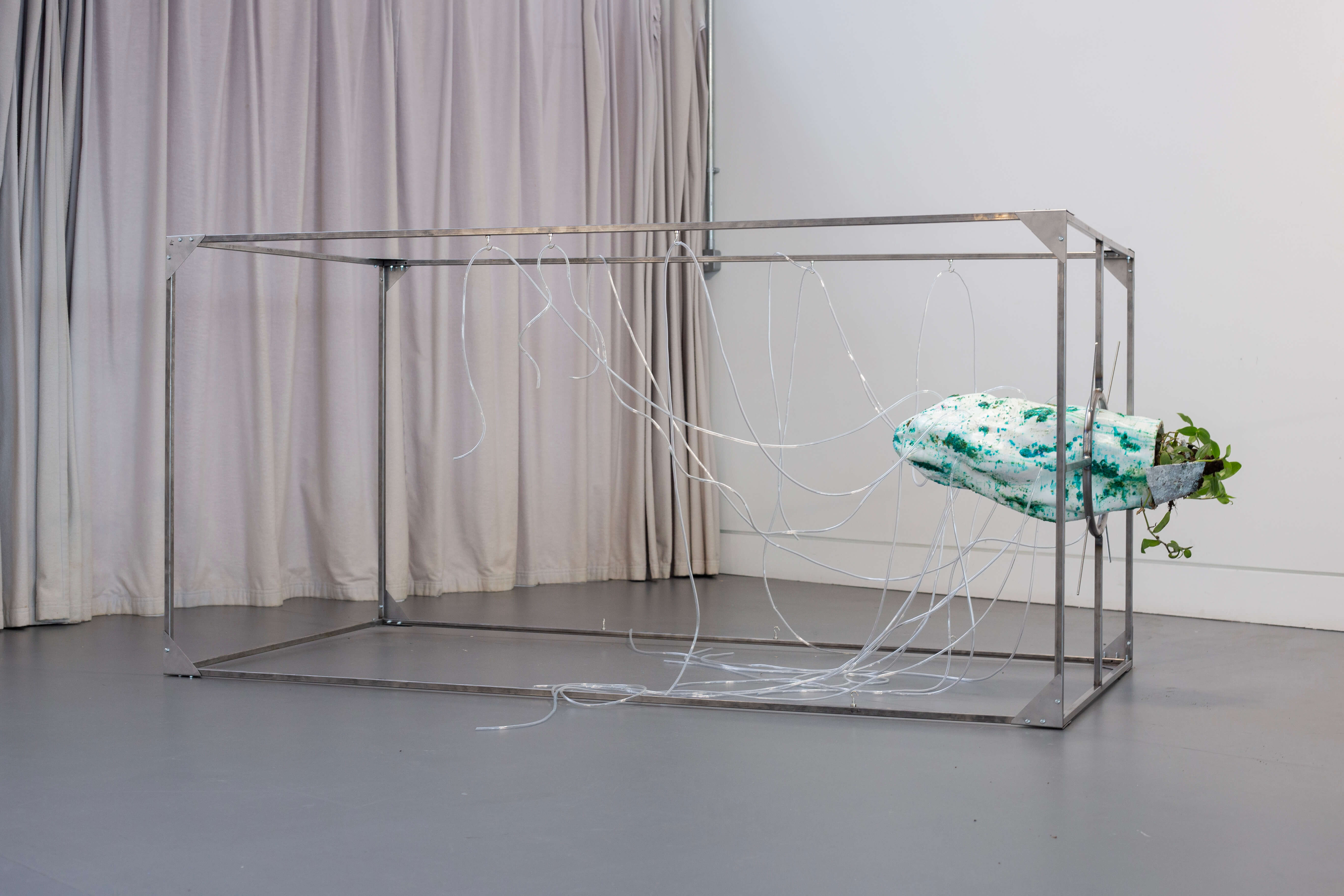
The practice is grounded in fieldwork across contaminated sites in Vietnam, where witnessing takes shape through direct, material engagement rather than documentary distance. On-site, the work proceeds through embodied drawing, soil mapping, and the recording of environmental and bioelectrical signals that are later sonified. In the studio, these encounters extend into material interventions that stage the slow temporality of contamination itself: metal corrosion, and the growth of mycelium and plants across and through collected matter. Corrosion and biological growth become collaborators, processes that continue their own transformations beyond my control, registering time, decay, and regeneration as the landscapes themselves do.
The outcomes take form as installation bringing together photographic media, sculptural and material objects, sonified data, and works on paper. Together they hold the site and the studio in tension, proposing an expanded practice of witnessing adequate to a violence that refuses to remain in the past.

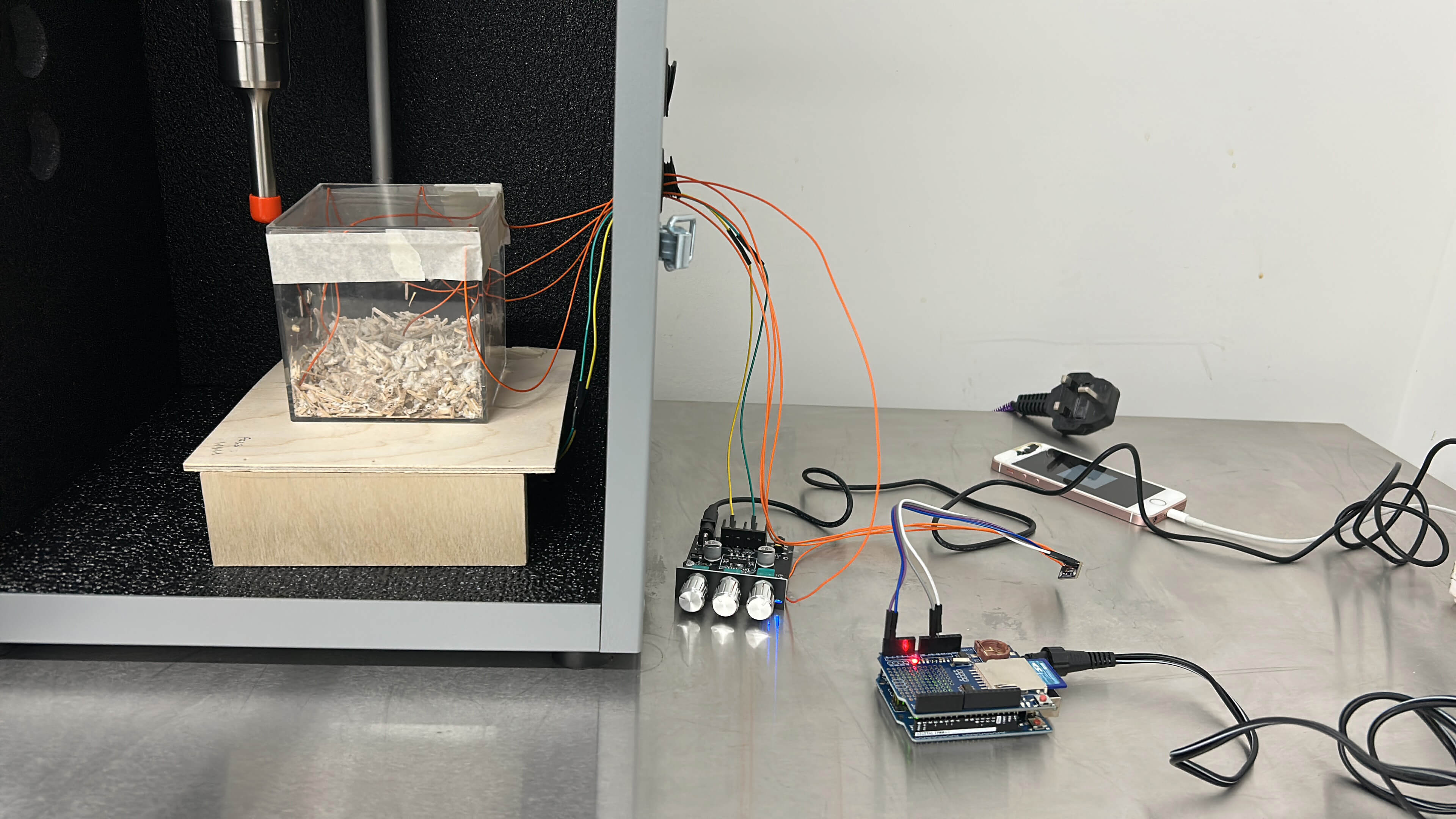



Hiền Hoàng, Lullaby (2025), three-channels video with sound composed from electrical signals recorded from mycelium, interwoven with a Vietnamese lullaby melody, 5 minutes.
Bibliography (selected)
Arendt, Hannah, On Violence (New York: Harvest Book, 1970)
Bennett, Jane, Vibrant Matter: A Political Ecology of Things (Durham, NC: Duke University Press, 2010)
Caruth, Cathy, ed., Trauma: Explorations in Memory (Baltimore, MD: Johns Hopkins University Press, 1995)
Latour, Bruno, An Inquiry into Modes of Existence: An Anthropology of the Moderns (Cambridge, MA: Harvard University Press, 2013)
Nguyen, Viet Thanh, Nothing Ever Dies: Vietnam and the Memory of War (Cambridge, MA: Harvard University Press, 2016)
Nixon, Rob, Slow Violence and the Environmentalism of the Poor (Cambridge, MA: Harvard University Press, 2011)
Zierler, David, The Invention of Ecocide: Agent Orange, Vietnam, and the Scientists Who Changed the Way We Think about the Environment (Athens, GA: University of Georgia Press, 2011)

