
Đồng Ký Ức
Field of Memory
A Study into the Landscape’s Memory, Mythology, and People in Loreto Aprutino, Italy
2026
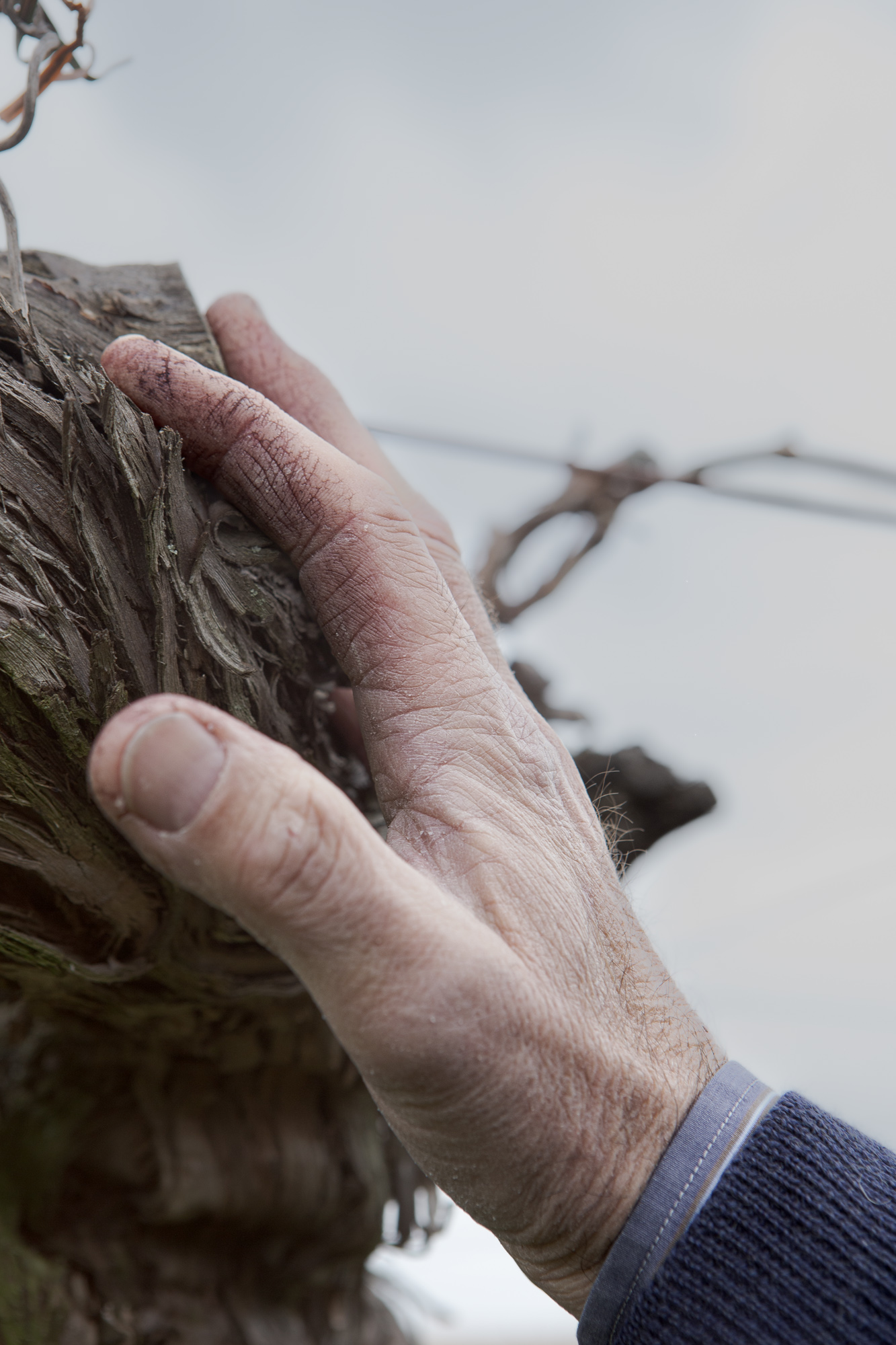
Mythology is a way to preserve memory. It is also a communal act, collective and ongoing. Memory lives in the entangled spaces between cloud, air, wind, soil, rain. It lives in the songs, the wine, the ritual, and in the land with those who tend it.
The aim of the residency is to study how memory is made, preserved, and cultivated in Loreto Aprutino, through mythology, through people, through landscape, and through data. At the center of this inquiry sits one question: can data become part of modern memory? Can it enter the mythology?
This study is drawn from what Castagno wrote about the vigneron as midwife: someone who supports and assists in the birth of something already generated through a combination of forces. Not author, but witness. This is the position the artist sought to occupy in this landscape.
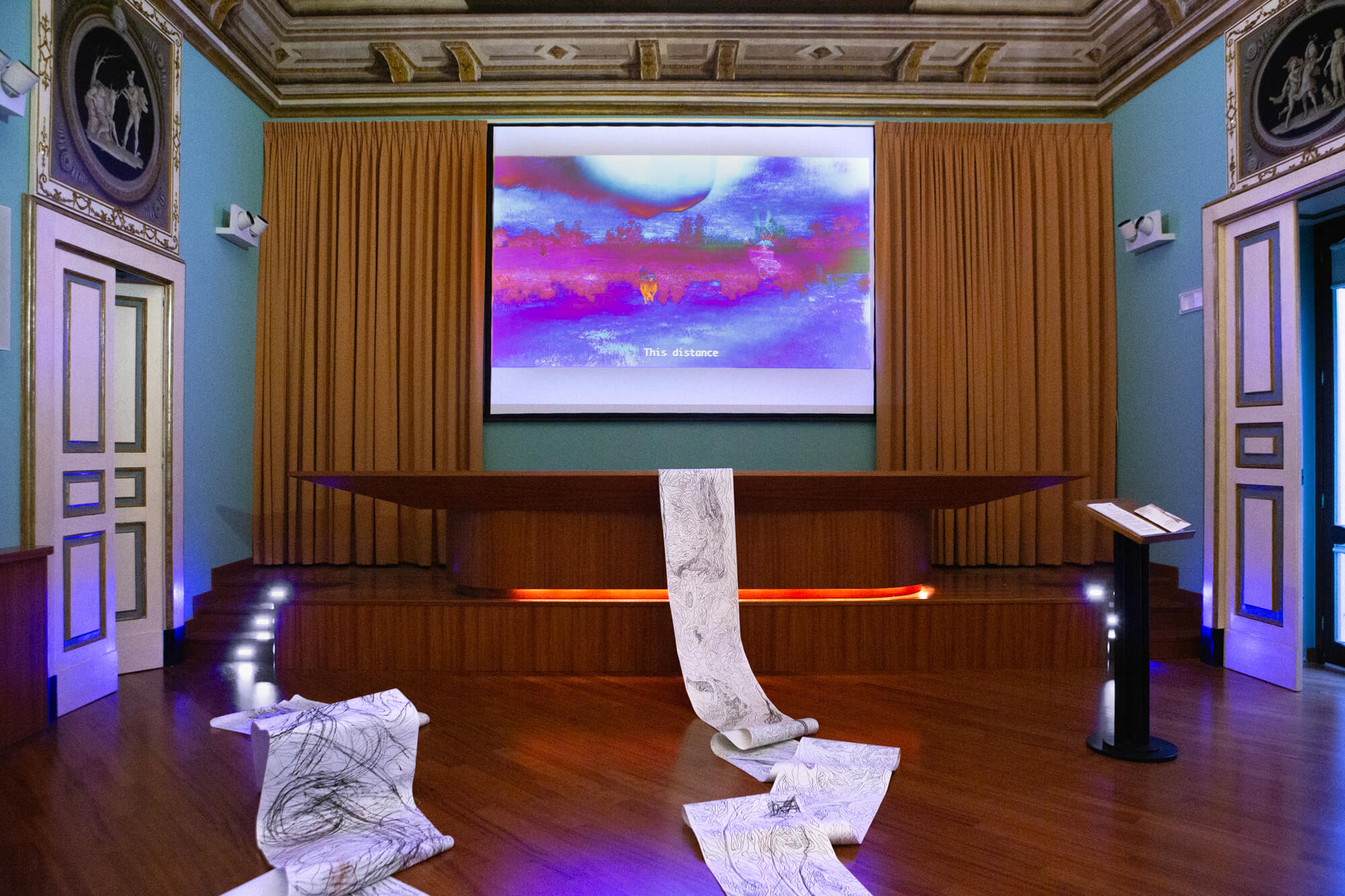
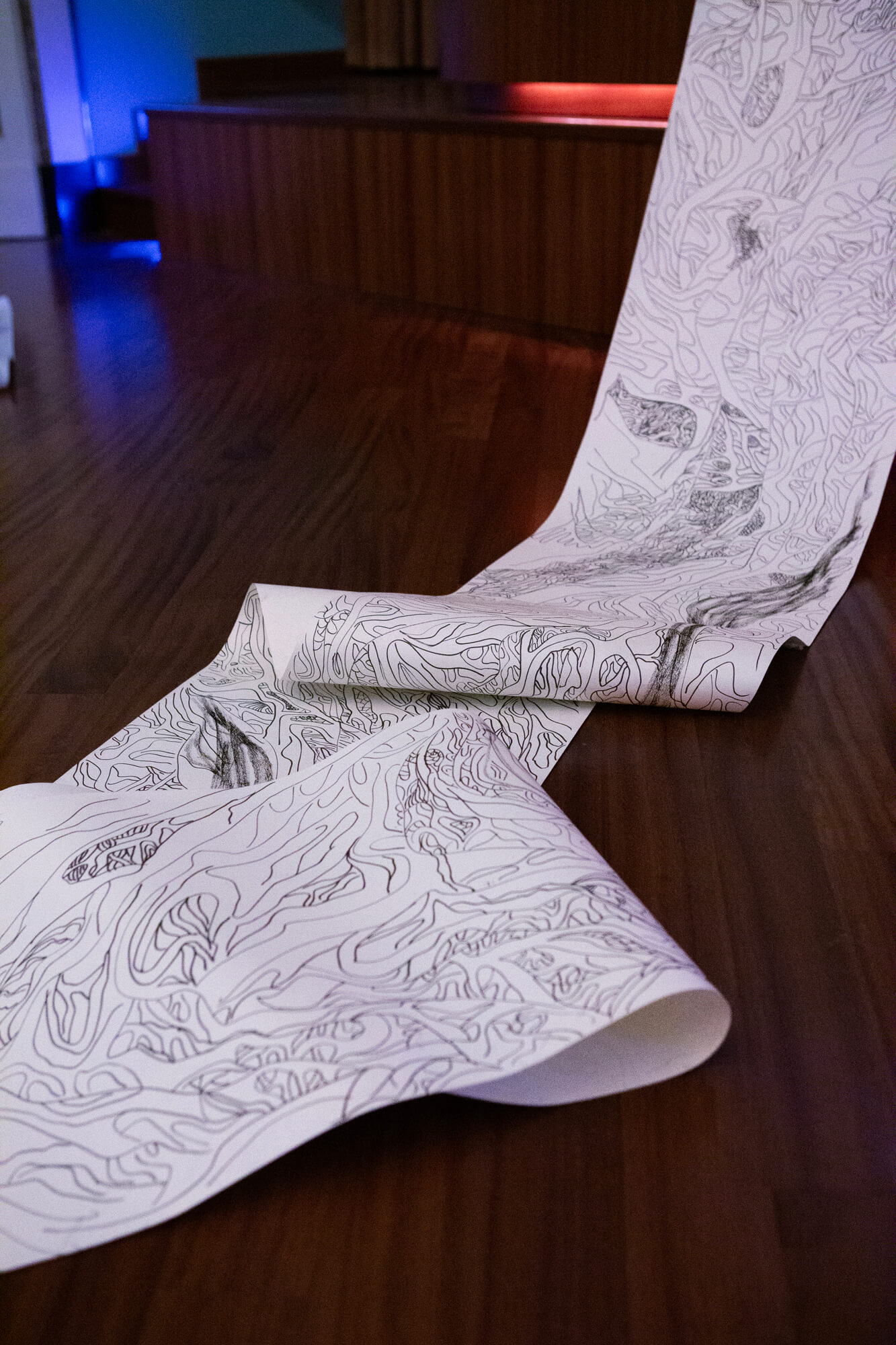
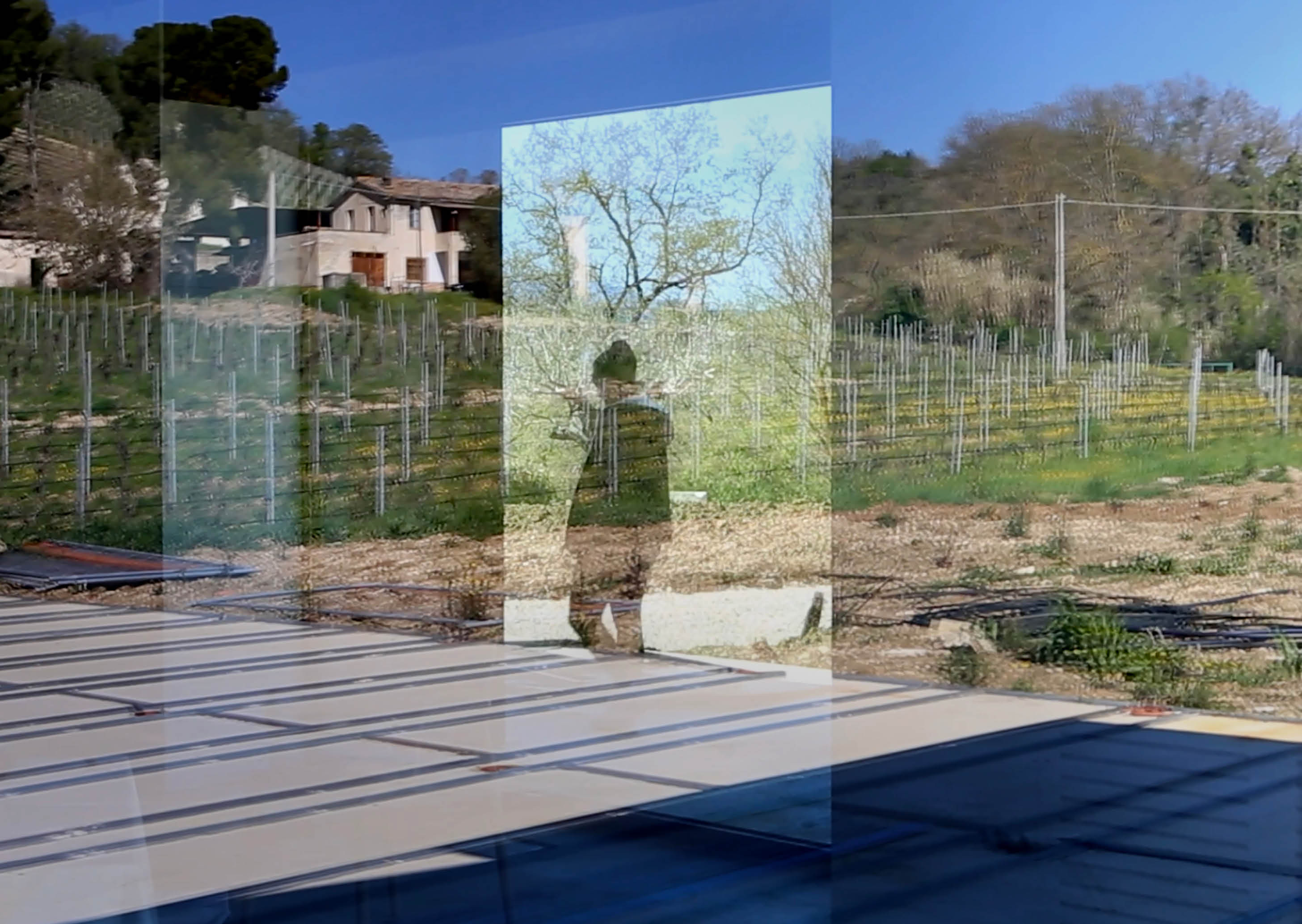
The project takes shape as an installation with a video essay, drawings, photos, and poems. In the video, blurry, dream-like images, interviews with local farmers, and 3D scans of the land, all are woven together with sound composed from sonified atmospheric and bioelectrical data collected from the air and soil of the region. While the atmospheric and soil data offers a partial, quantified portrait of the landscape, the interviews with the people form the reflective layer: their memories of the land, the stories and mythologies that persist, what they feel is disappearing.
There was a fountain there.
But there is no more.
Because, there was an earthquake in 2016 that moved the coast of the water.
Someone remembers it.
But then, the earth remembers all this.
Fausto Albanesi. From the interview for “Field of Memory”, 2026
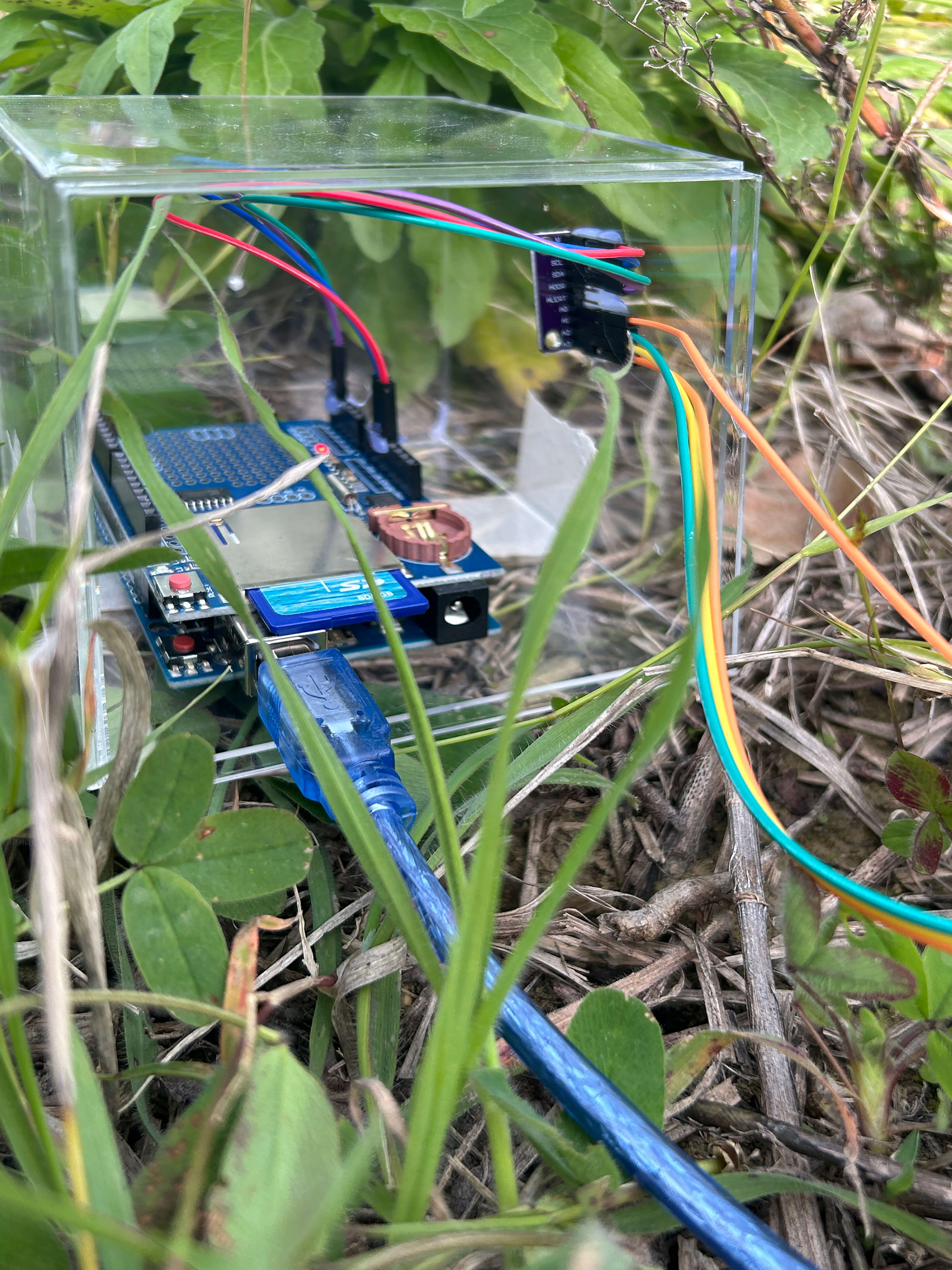
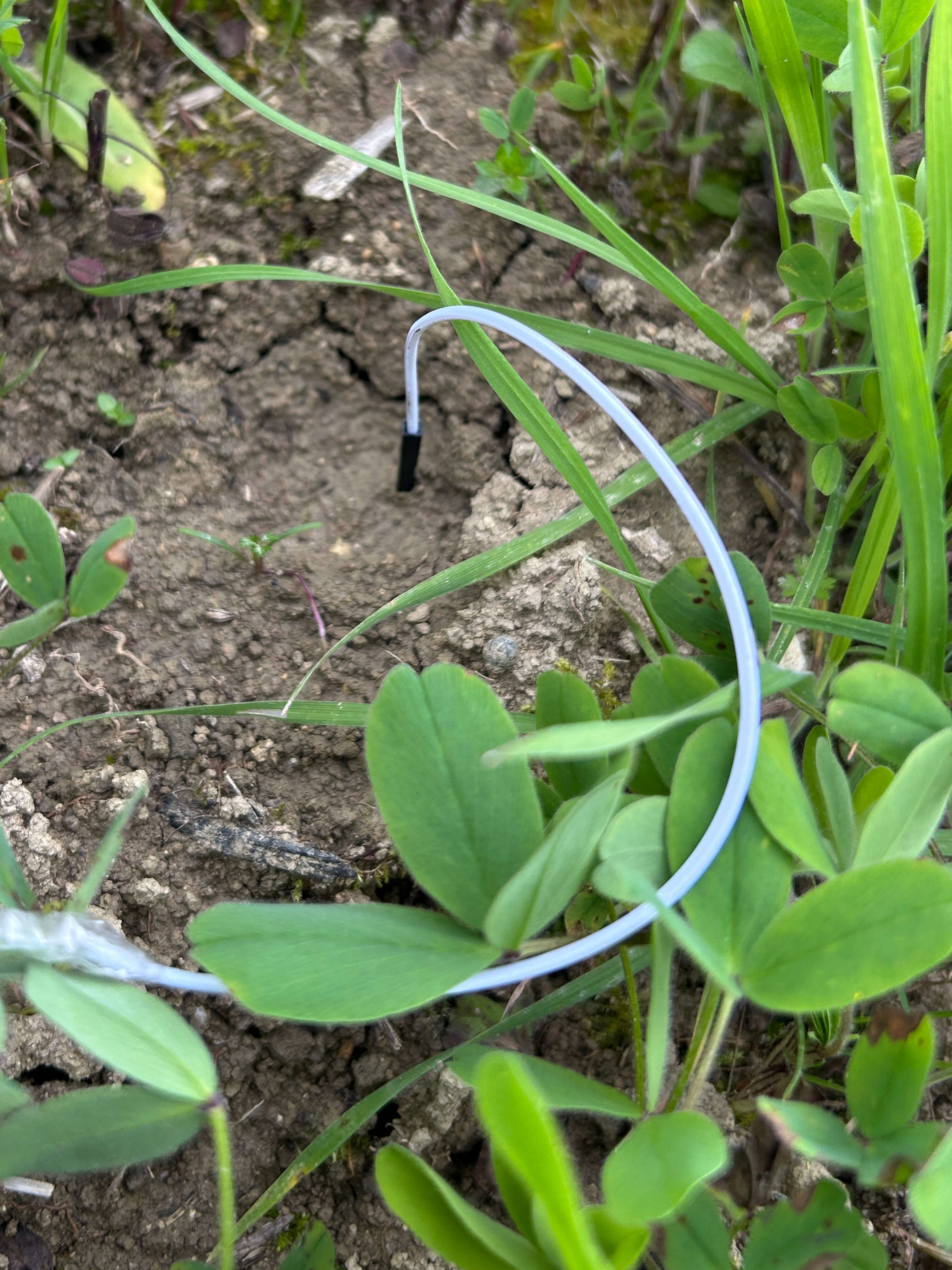
The data I collected here — the atmospheric pressure, soil bioelectricity, temperature —
I turned into sound. To give the numbers a body.
What you are hearing is a morning on a field above Loreto Aprutino, during which the wind shifted direction, and the soil registered something that has no name in the dataset’s vocabulary.
Data needs a witness.
A witness needs a body.
A body needs to be somewhere,
breathing,
pressing its weight into the ground, feeling the air resist it.
This is what I was doing here.
Being a body in a place.
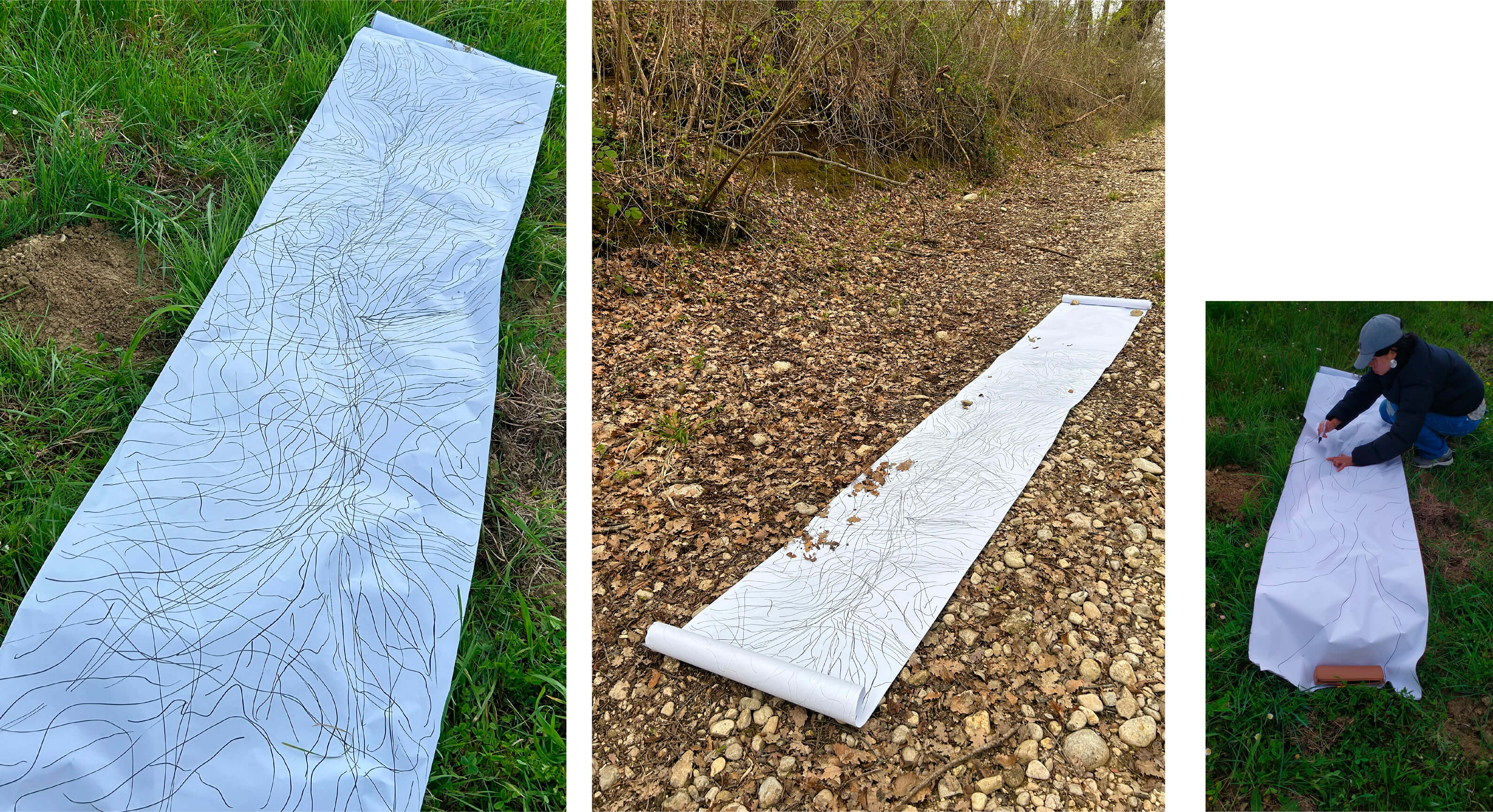
The installation was presented at the Palazzo de’ Mayo, Chieti. It exists as a study in progress. Like the landscape and the memory it traces, it remains open.
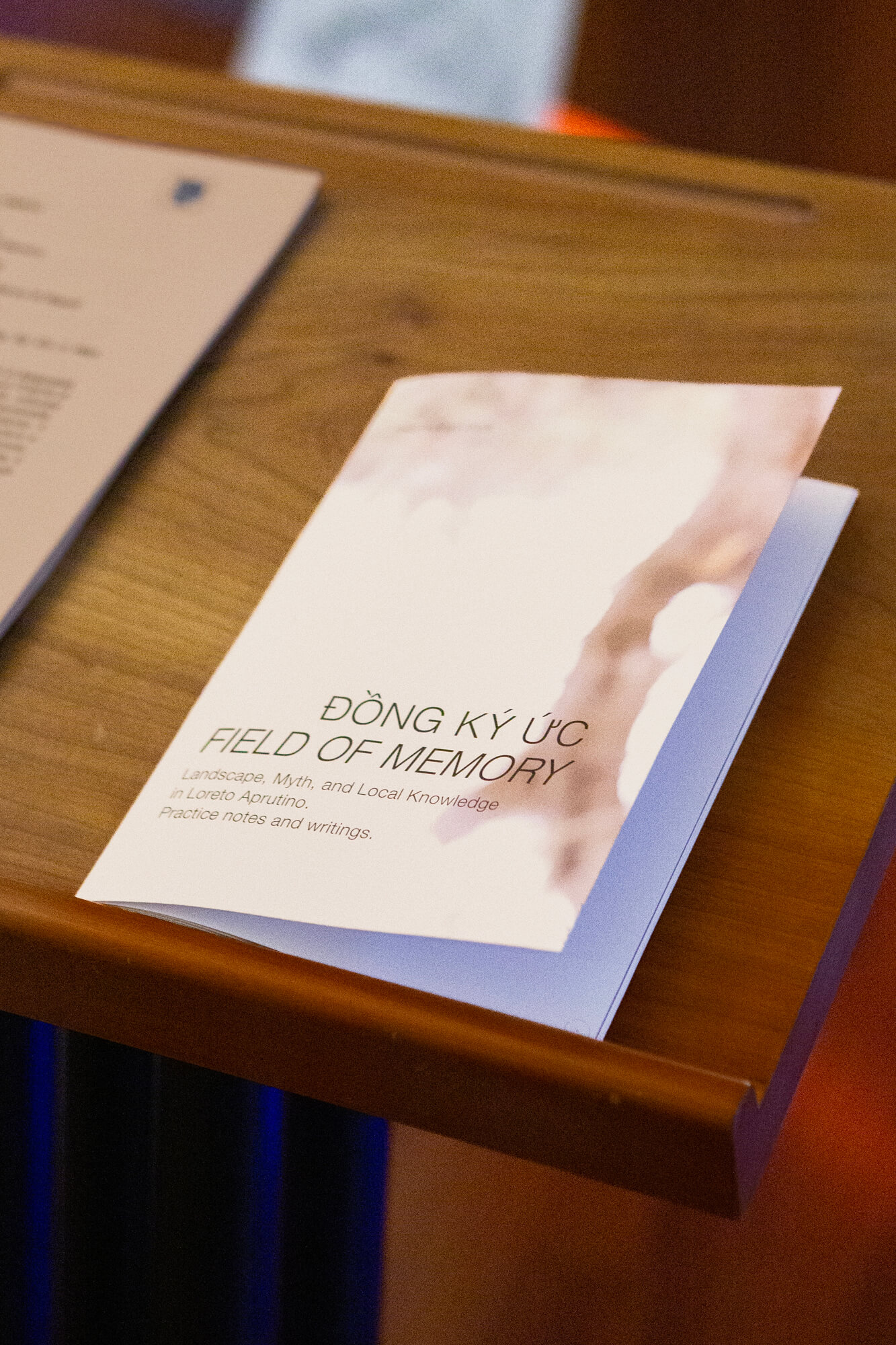
The booklet features poems, notes, and photos from the research:
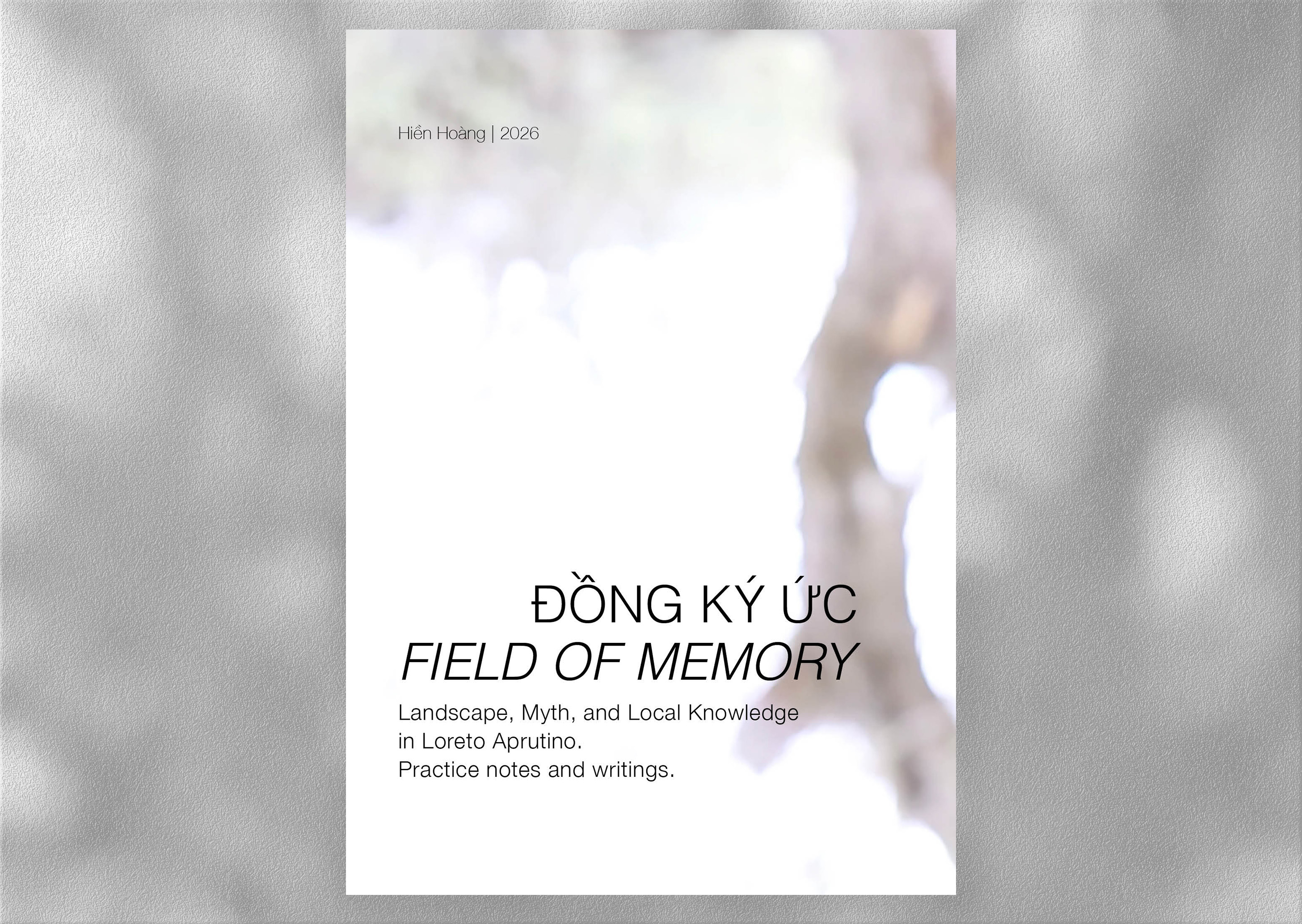
Field of Memory. Booklet. Featuring poems, notes, interviews, and photos from the research. Hien Hoang. 2026. 
Field of Memory. Booklet. Featuring poems, notes, interviews, and photos from the research. Hien Hoang. 2026. 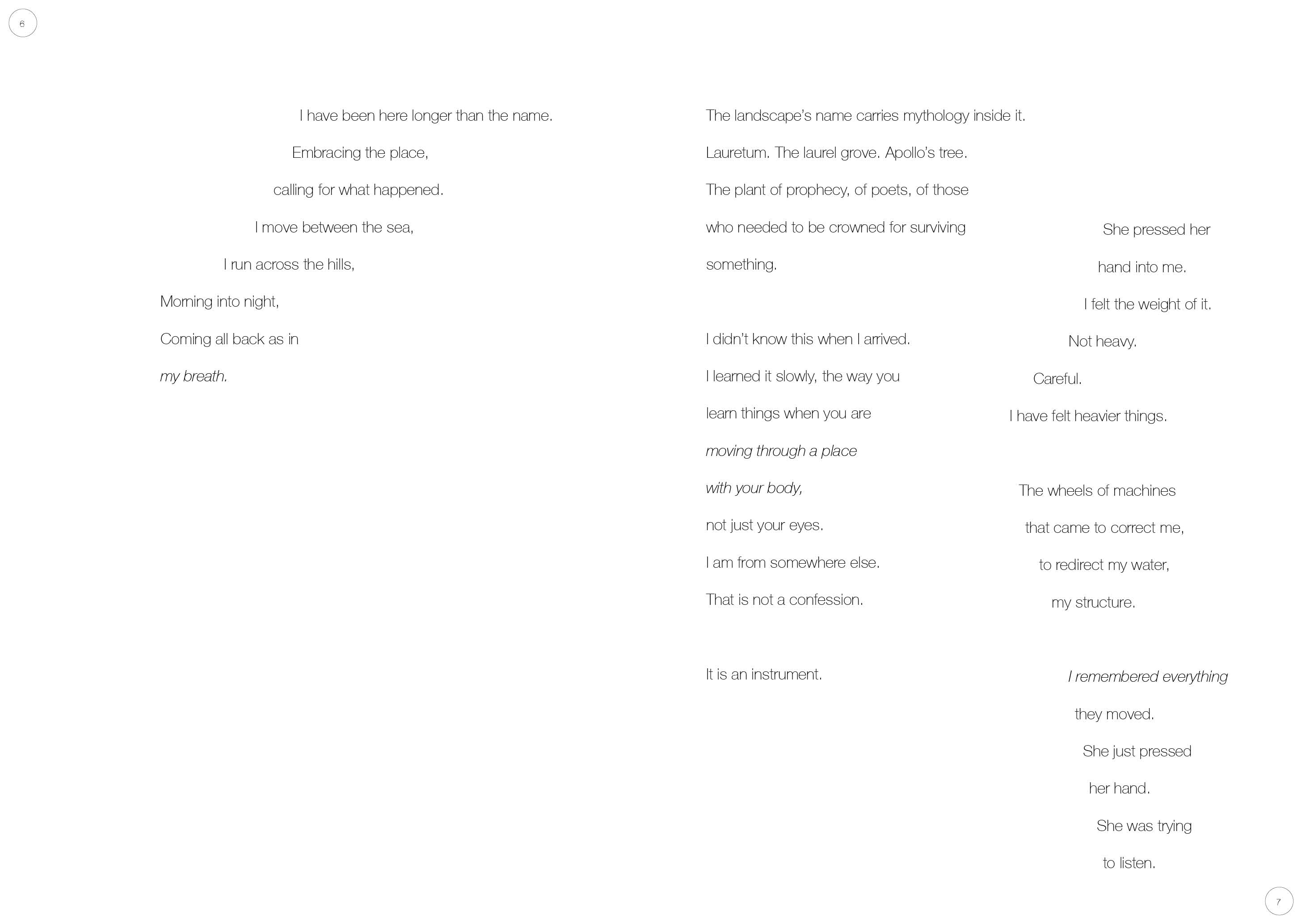
Field of Memory. Booklet. Featuring poems, notes, interviews, and photos from the research. Hien Hoang. 2026. 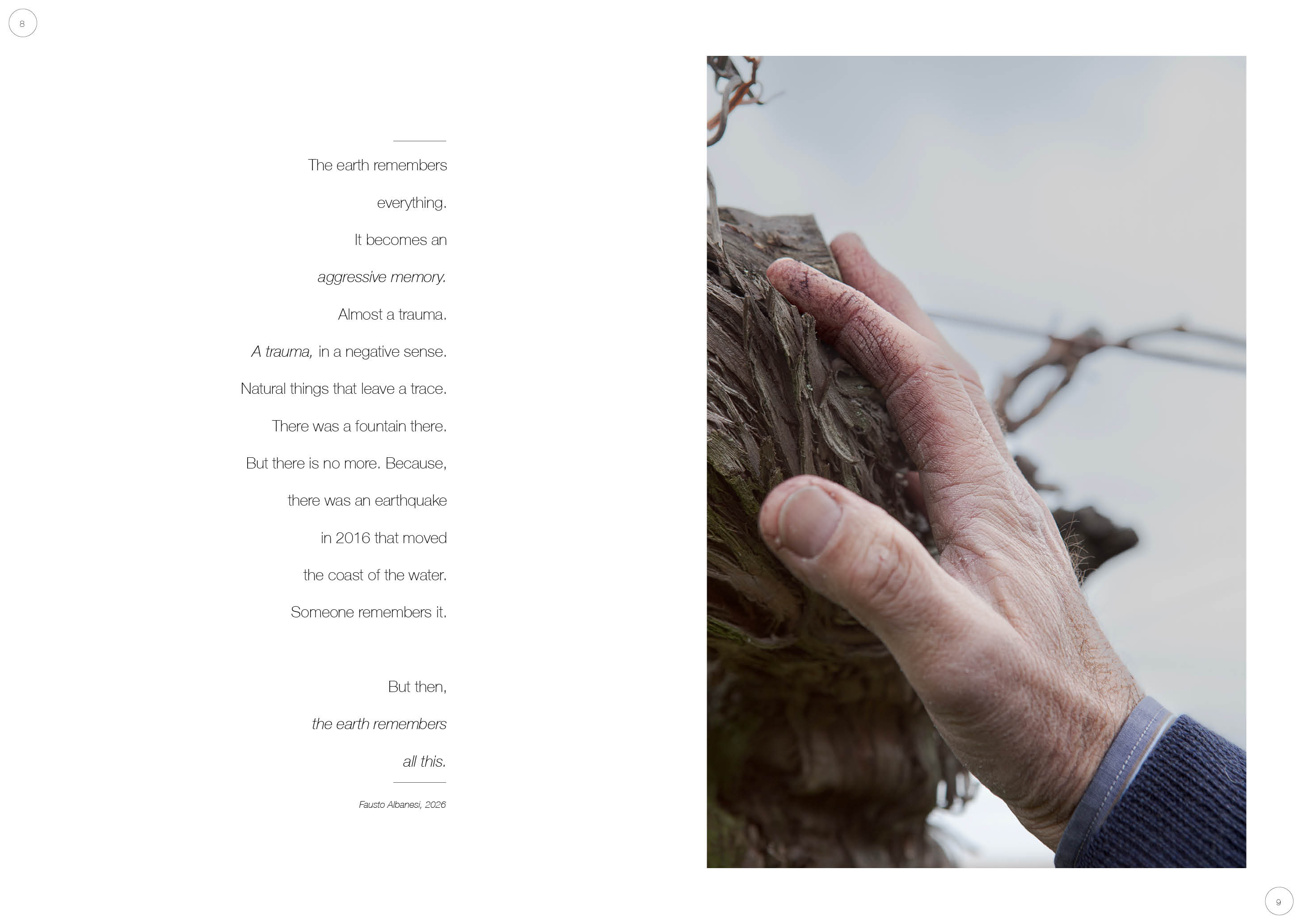
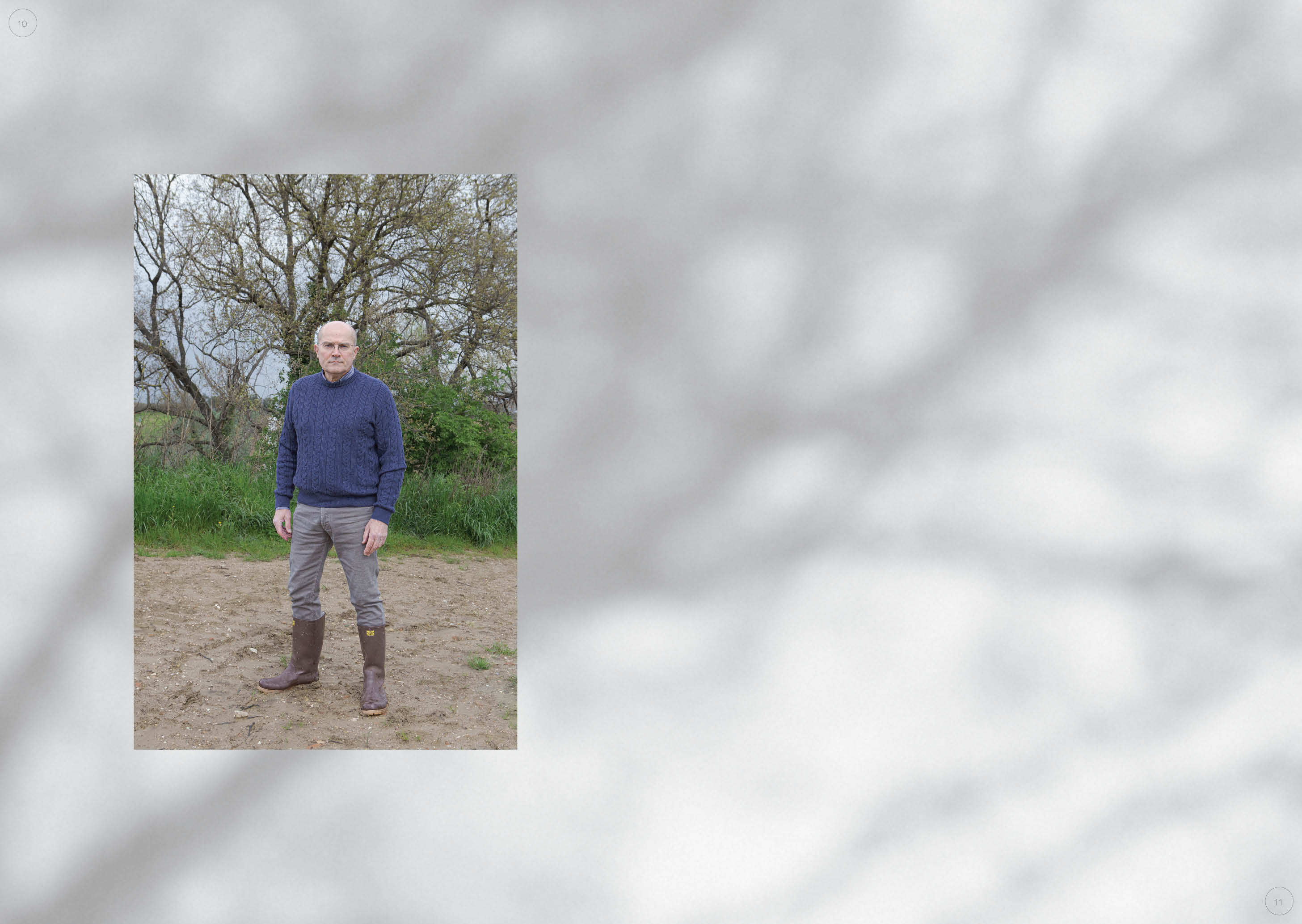
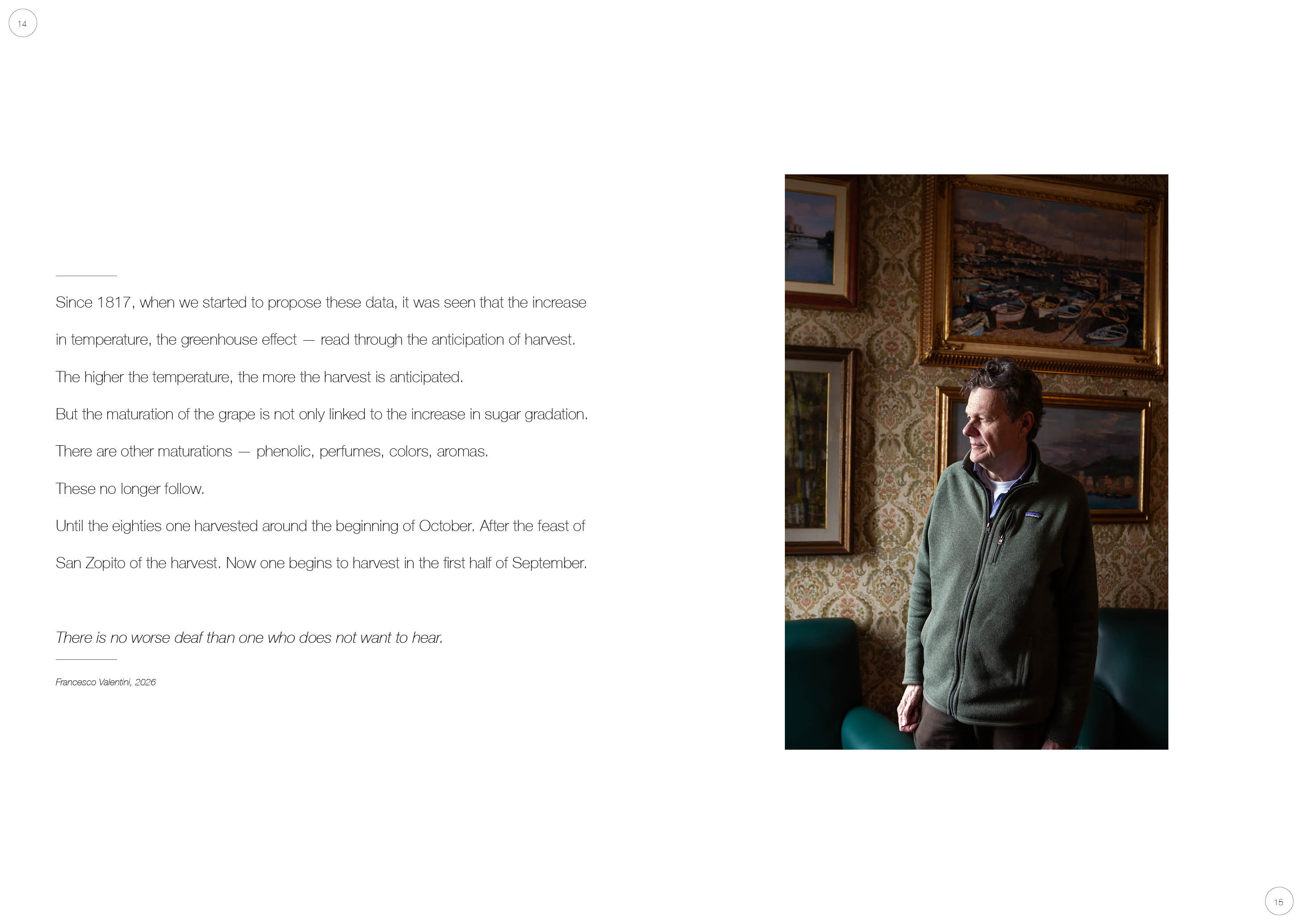
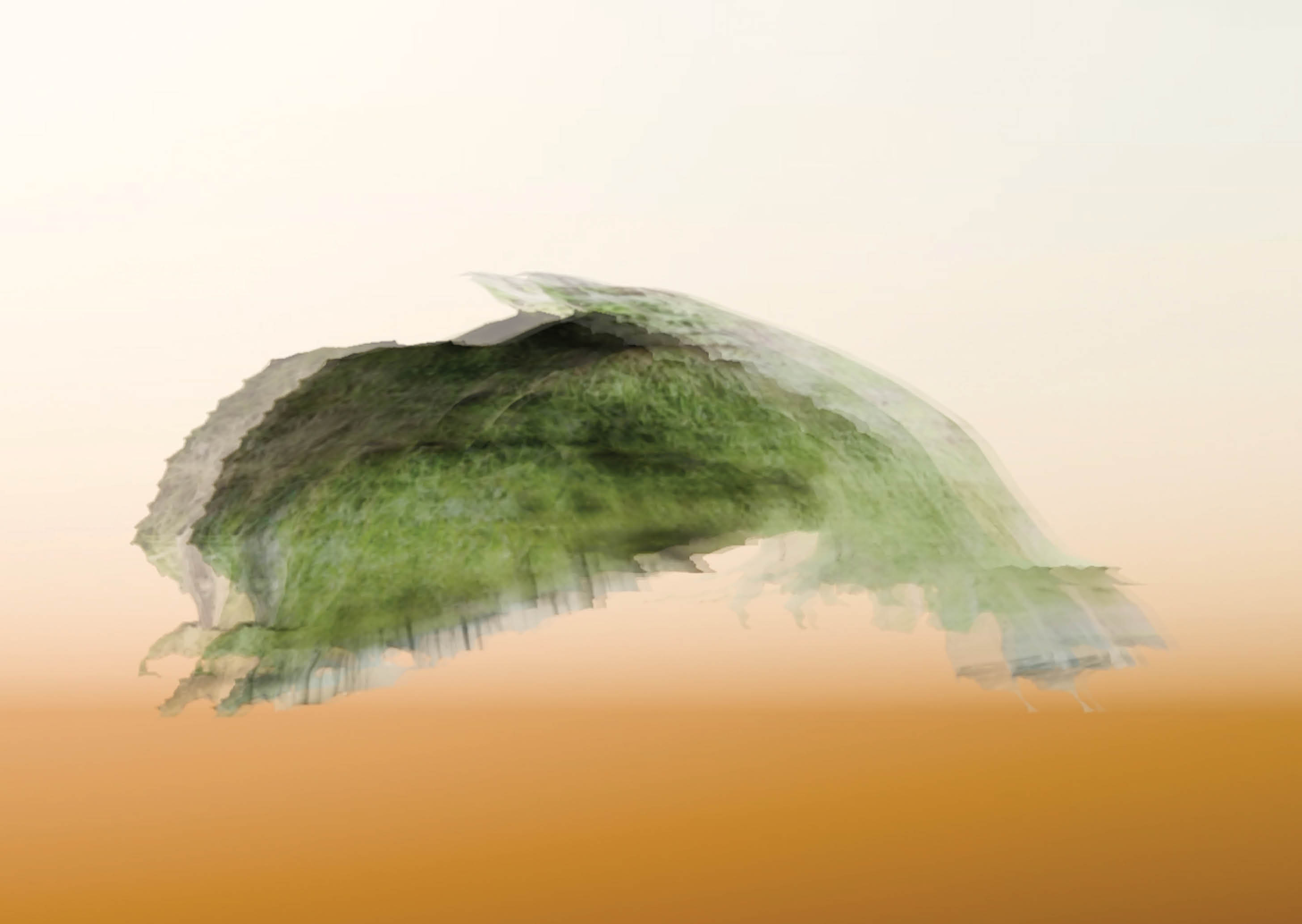
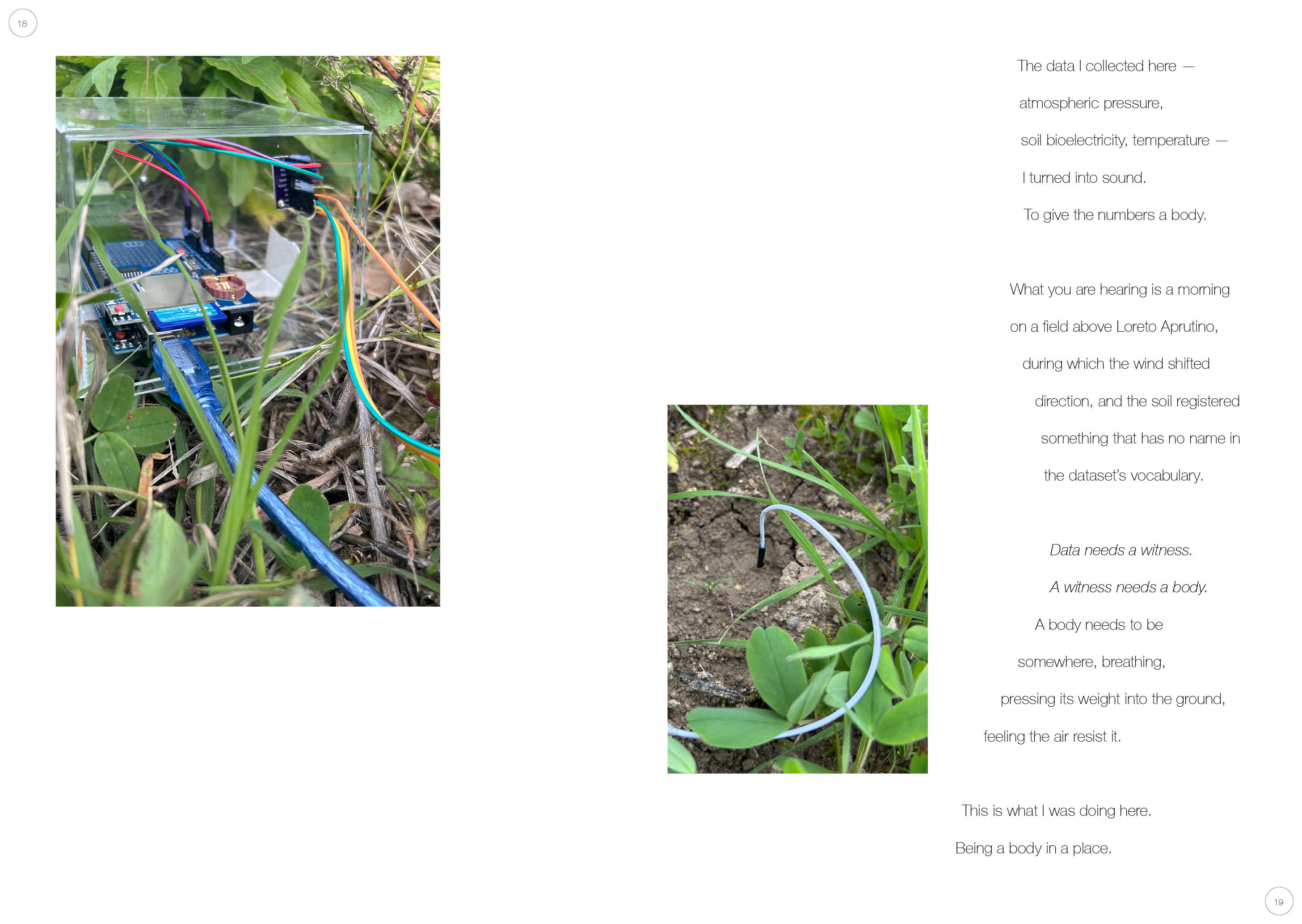
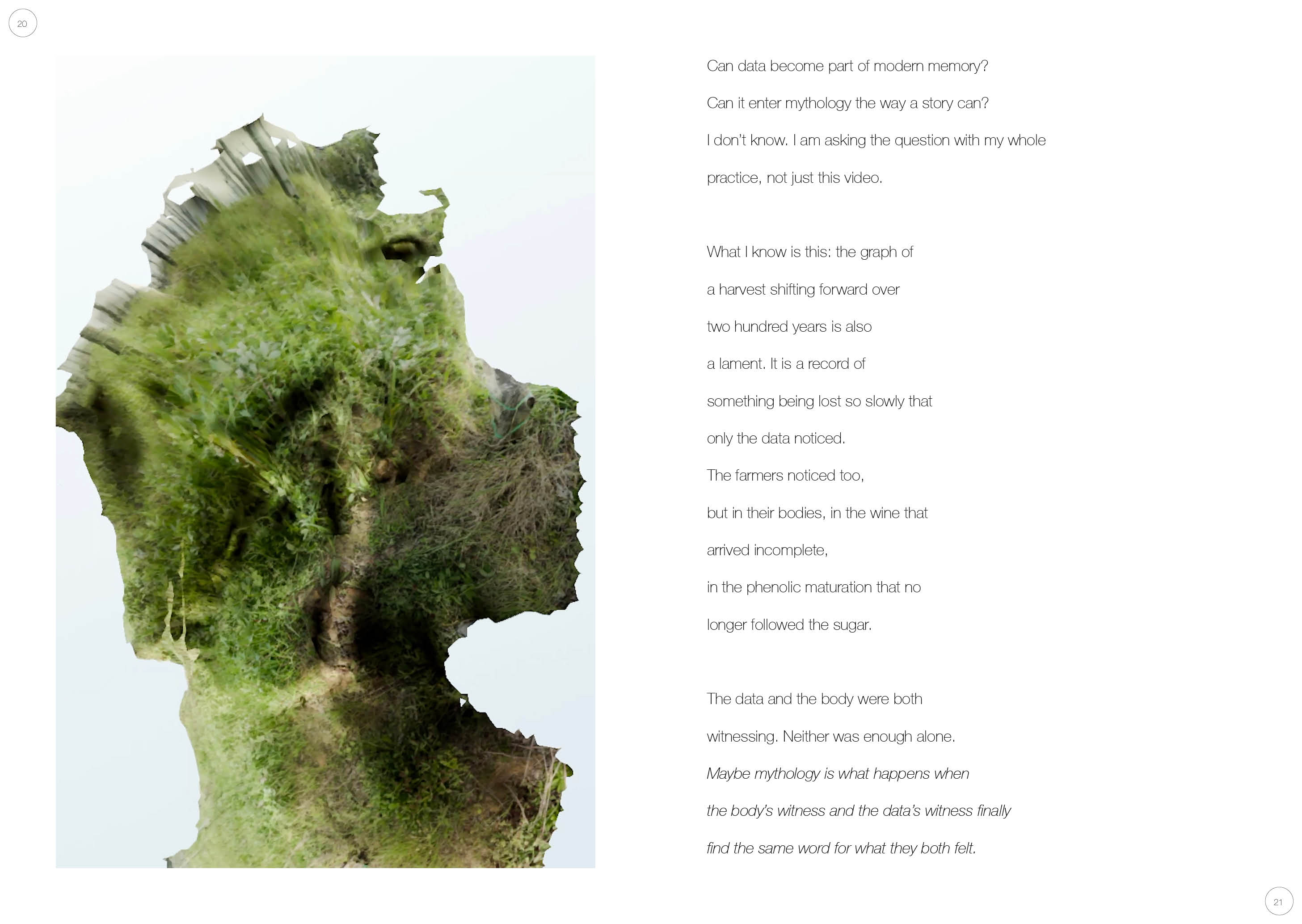
Field of Memory. Booklet. Featuring poems, notes, interviews, and photos from the research. Hien Hoang. 2026.
 Hiền Hoàng